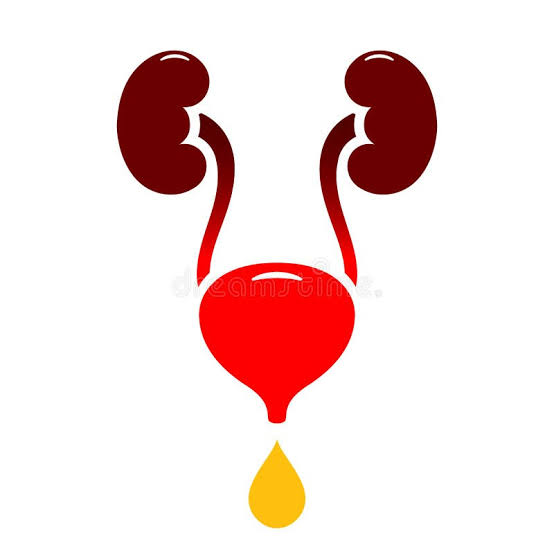
Understanding Enlarged Prostate (BPH): Early Warning Signs & Modern Treatments
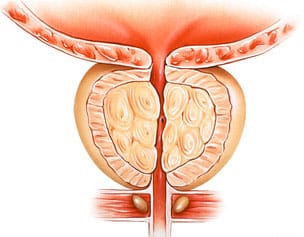
Benign Prostatic Hyperplasia (BPH) is a non-cancerous enlargement of the prostate gland. It is one of the most common health conditions affecting men above the age of 50, causing inconvenient and uncomfortable urinary symptoms.
What is the Prostate Gland & Why Does It Enlarge?
The prostate is a walnut-sized gland located just below the urinary bladder in men. Its main function is to produce seminal fluid. The urethra (the tube that carries urine from the bladder out of the body) passes directly through the center of the prostate.
As men age, hormonal changes cause the prostate gland to slowly multiply its tissue cells, squeezing the urethra and restricting urine flow.
Common Symptoms of BPH (Enlarged Prostate)
Symptoms often start mild and gradually worsen over time if left untreated:
- Nocturia: Waking up 3 to 5 times every night to urinate.
- Weak Urine Stream: A slow, interrupted, or dribbling urinary stream.
- Urinary Urgency: A sudden, compelling need to urinate immediately.
- Incomplete Emptying: Feeling that the bladder is never completely empty.
- Hesitancy: Difficulty starting the urine stream.
"Many elderly men accept weak urination as an inevitable part of aging, but untreated BPH can lead to urinary retention, bladder stones, UTIs, and kidney damage." — Dr. Amit P Kawale
How is BPH Diagnosed?
At Urolife Clinic in Vasai, Dr. Amit P Kawale performs a comprehensive diagnostic evaluation including:
- Uroflowmetry: A painless test measuring the speed and volume of urine flow.
- Ultrasound (USG KUB & Prostate): Assesses prostate size and post-void residual urine.
- PSA (Prostate Specific Antigen) Test: Blood test to screen and rule out prostate malignancy.
- Urine Routine & Culture: Excludes active urinary infections.
Treatment Options for BPH
1. Lifestyle Modifications & Monitoring
For mild BPH, reducing caffeine and alcohol intake before bedtime, doing pelvic floor exercises, and double voiding can provide relief.
2. Medical Therapy
Alpha-blockers (relax prostate smooth muscle) and 5-alpha reductase inhibitors (shrink prostate volume over time) are prescribed for mild to moderate symptoms.
3. Advanced Surgical & Laser Treatments
When medication is no longer effective or symptoms interfere with sleep and daily quality of life, surgical solutions offer lasting relief:
- TURP (Transurethral Resection of the Prostate): The gold-standard endoscopic procedure to trim obstructive prostate tissue without skin incisions.
- Bipolar TURP / Laser Prostatectomy: Offers reduced bleeding, shorter hospital stays, and rapid recovery, making it suitable for high-risk cardiac or diabetic patients.
Take Charge of Your Prostate Health Today
If you or a family member are experiencing urinary distress or night-time awakening, consult Dr. Amit P Kawale at Urolife Clinic, Vasai (W) for personalized prostate care.
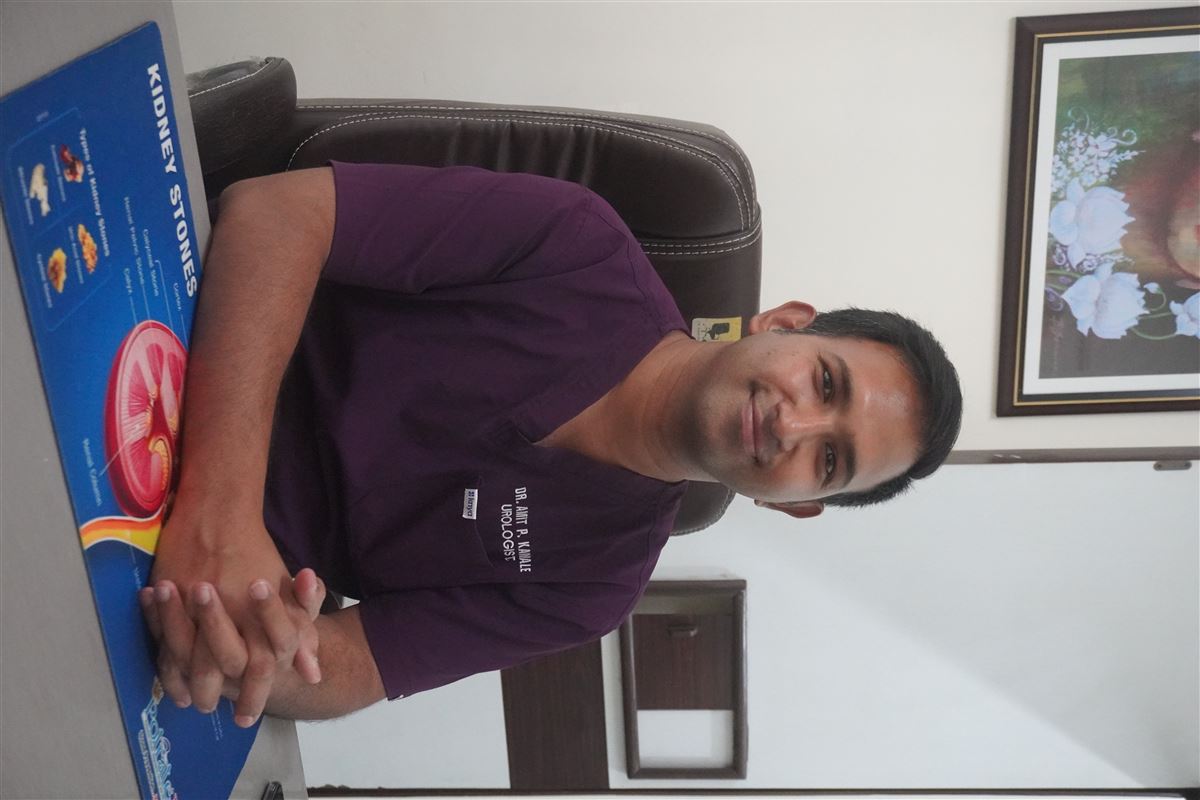
Dr. Amit P Kawale
Expert in endourological prostate management, laser stone treatment, pediatric urology, and reconstructive urological surgery in Vasai West.