Kidney Stones: Causes, Symptoms, Prevention & Advanced Laser Treatment
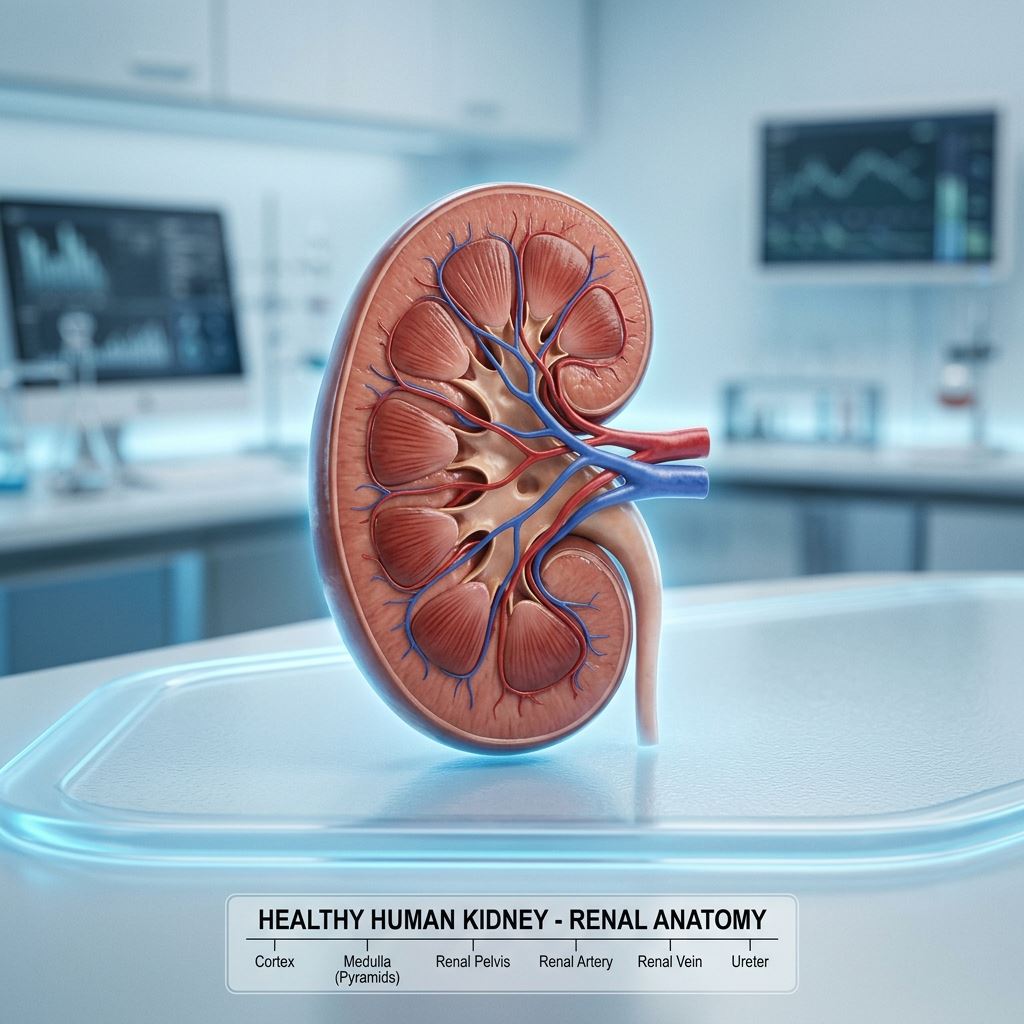
Kidney stones (Nephrolithiasis) are hard mineral deposits that form inside your kidneys. They affect millions of people worldwide and cause intense abdominal and back pain. Fortunately, modern urological advances have made diagnosis and treatment virtually painless and highly effective.
What Causes Kidney Stones?
Kidney stones develop when your urine contains more crystal-forming substances—such as calcium, oxalate, and uric acid—than the fluid in your urine can dilute. At the same time, your urine may lack substances that prevent crystals from sticking together, creating an ideal environment for kidney stones to form.
- Dehydration & Low Water Intake: Not drinking enough water is the primary cause, especially in hot tropical climates like coastal Maharashtra.
- Dietary Factors: Diets high in sodium, animal protein, and oxalate-rich foods increase the risk.
- Family History & Genetics: A hereditary tendency toward high calcium excretion in urine.
- Medical Conditions: Hyperparathyroidism, gout, urinary tract infections, and inflammatory bowel diseases.
Common Symptoms of Kidney Stones
A kidney stone may not cause symptoms until it moves around within your kidney or passes into your ureters (the tubes connecting the kidneys and bladder).
"If a kidney stone becomes lodged in the ureter, it blocks the flow of urine and causes the kidney to swell and the ureter to spasm, resulting in excruciating pain known as renal colic." — Dr. Amit P Kawale
Key Warning Signs Include:
- Severe, sharp pain in the side and back, below the ribs.
- Pain radiating to the lower abdomen and groin area.
- Pain or burning sensation while urinating (Dysuria).
- Pink, red, or brown urine (Hematuria).
- Nausea, vomiting, and feeling feverish if an infection is present.
Preventive Measures: How to Avoid Kidney Stones
Preventing kidney stones involves simple yet powerful lifestyle adjustments:
- Hydrate Continuously: Drink 3 to 3.5 liters of water daily so urine stays pale and clear.
- Limit Sodium: Reduce table salt and processed foods; high sodium forces the kidneys to excrete more calcium.
- Moderate Animal Protein: Limit excessive consumption of red meat, poultry, and seafood.
- Enjoy Citrus Fruits: Lemonade and orange juice are rich in natural citrate, which inhibits stone formation.
Modern Advanced Treatments at Urolife Clinic
Small kidney stones (under 4mm) may pass naturally with medical expulsion therapy and fluid management. However, larger stones or stones causing severe blockages require expert urological intervention.
1. RIRS (Retrograde Intrarenal Surgery)
A revolutionary, 100% incision-less procedure where a flexible fiber-optic scope is passed through the natural urinary tract. High-precision Holmium Laser energy fragments the kidney stone into dust, which washes away naturally.
2. Mini-PCNL (Percutaneous Nephrolithotomy)
Ideal for large stone burdens (greater than 1.5 cm - 2 cm). Performed through a tiny keyhole incision in the back, ensuring fast recovery, high stone-free rates, and minimal hospital stay.
When to See Urologist Dr. Amit P Kawale in Vasai
If you experience sudden flank pain, fever with chills, or blood in your urine, seek prompt medical attention. Early intervention protects kidney function and prevents complications.
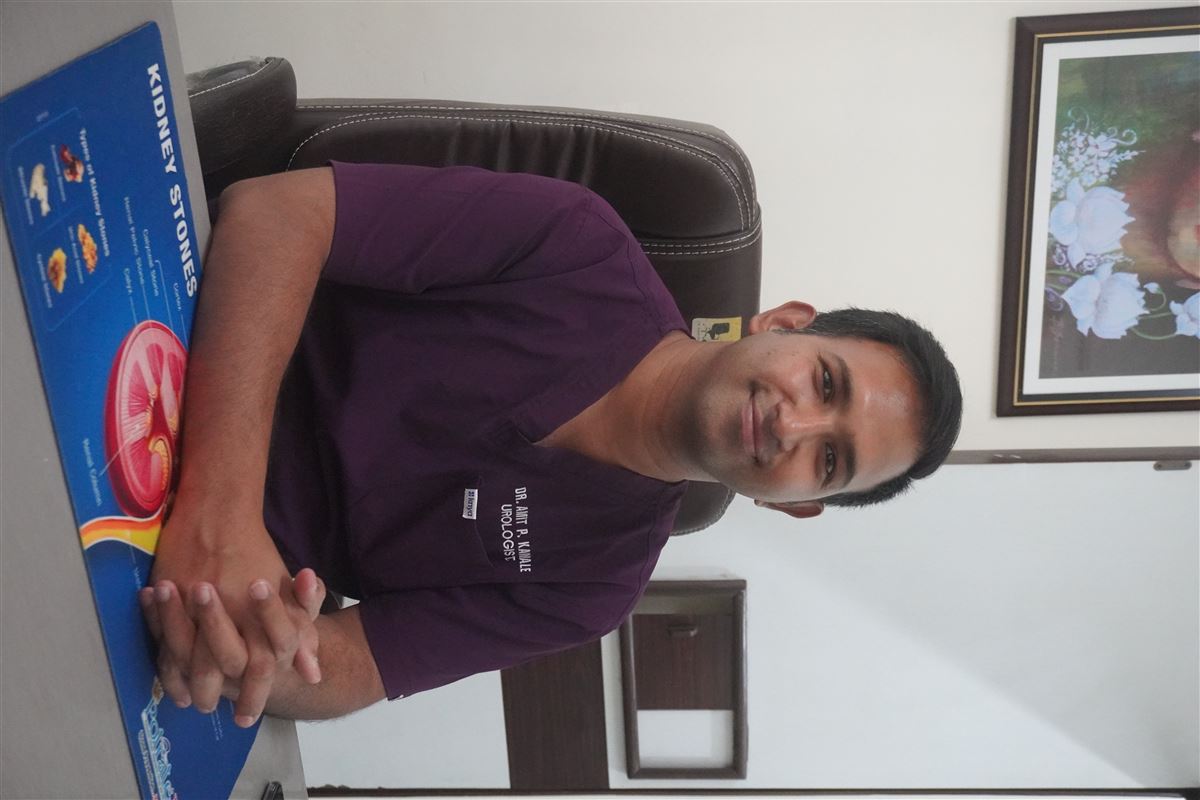
Dr. Amit P Kawale
Dr. Amit P Kawale is a senior Urologist in Vasai (W) specializing in endourology, laser stone surgery (RIRS, PCNL), prostate health (TURP), and male infertility treatments.